LINPOR® technology
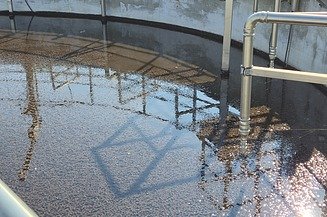
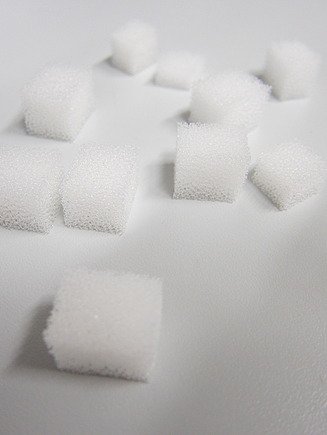
The main characteristics of the LINPOR® technology are the highly porous foam cubes which are added to a conventional activated sludge tank and serve as bio-carrier for sessile microorganisms. The high porosity of these cubes leads to a duplication of biomass in the tank. At the same time the sludge age increases and the sludge loading rate is reduced.
Depending on the treatment task, three types of the LINPOR system are available: LINPOR®-C, LINPOR®-CN and LINPOR®-N. They all can be derived from the conventional activated sludge process.
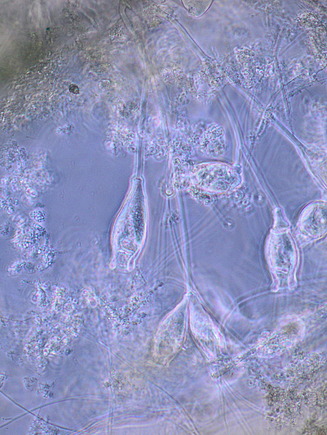
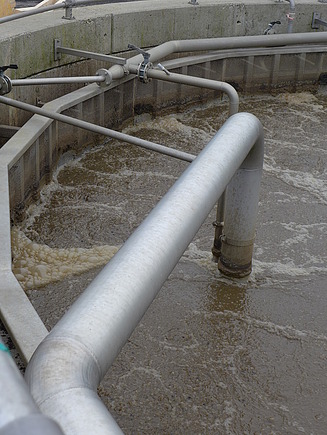
Analysis of the fixed and suspended biomasses as used – for example – in a municipal Wastewater Treatment Plant using the LINPOR®-CN system, show how the biology in the LINPOR® cubes develops and works.
-
 © Kamyar Ashgari Asl / STRABAG
 -
 © Kamyar Ashgari Asl / STRABAG
 -
 © Sonja Kappel / STRABAG
Process advantages
- Increased treatment capacity within existing tank infrastructure
- Less sensitive to peak loads
- Improved treatment performance of existing plants
- Compliance with strict effluent requirements possible (e.g. NH4-H < 1 mg/l)
- “Specialists” for degradation of toxic compounds and substances with low bioavailability can establish themselves
Download our LINPOR® brochure

LINPOR® Brochure